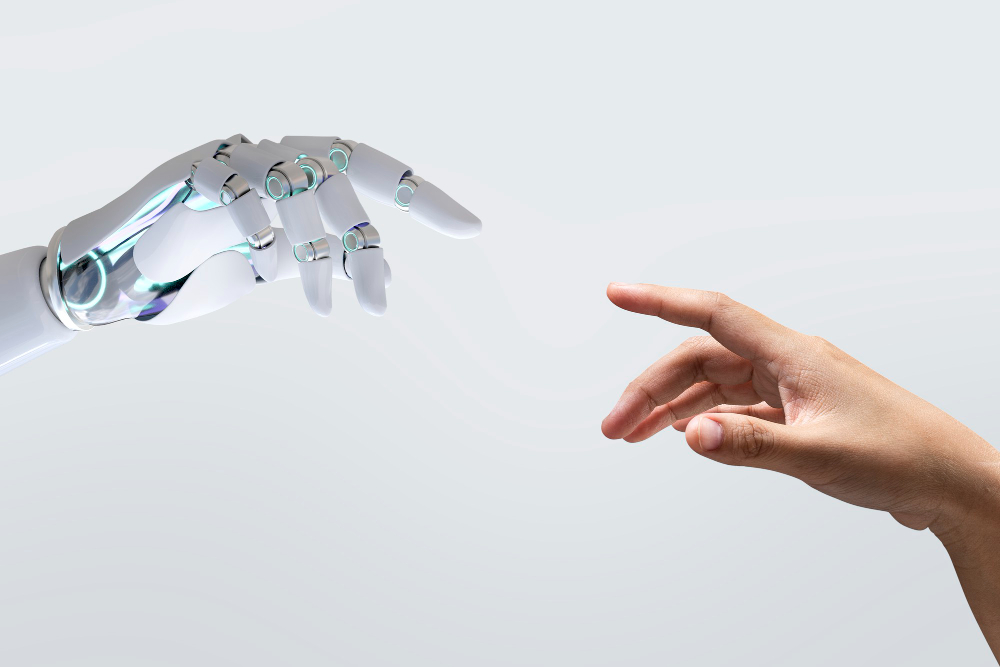
Artificial Intelligence is no longer a futuristic concept—it’s a present-day disruptor reshaping every industry. From customer support bots to self-driving cars and predictive healthcare tools, AI is rewriting how we work, make decisions, and even how we think. While some fear job displacement, AI also opens the door to opportunities that enhance productivity, creativity, and human potential.
One of the most transformative effects of AI is task automation. Repetitive and time-consuming duties are being delegated to intelligent systems, freeing up time for employees to focus on strategic, high-impact work. In sectors like manufacturing, finance, and retail, AI-powered analytics are enabling faster, smarter decisions based on real-time data.
Yet, the benefits come with challenges. Concerns around data privacy, algorithmic bias, and ethical deployment are pressing. Without clear regulations and responsible development, AI could widen inequality or compromise trust. That’s why it’s critical for businesses and governments to collaborate on ethical frameworks and upskilling strategies to prepare the workforce.
Ultimately, AI isn’t here to replace humans—it’s here to augment us. Those who understand how to work with AI, rather than against it, will be best positioned for the new digital economy. The key is not just adoption, but intentional, responsible innovation.