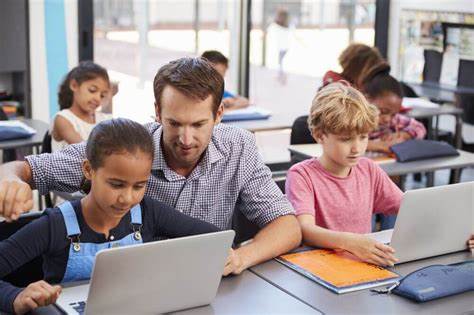
Technology has fundamentally reshaped the classroom experience. From interactive whiteboards to AI-powered learning platforms, education is no longer confined to physical spaces or rigid curriculums. Today’s students are digital natives, and educators must evolve to meet them where they are—online, interactive, and engaged.
Blended learning models, which combine traditional face-to-face instruction with online components, offer flexibility and personalization. Students can access materials at their own pace, revisit difficult concepts, and explore content that aligns with their interests. Tools like Google Classroom, Khan Academy, and Coursera have democratized access to quality education, bridging the gap for underserved communities.
However, integrating technology into education requires more than just devices and apps. It demands a shift in teaching philosophy. Educators must focus on cultivating critical thinking, digital literacy, and adaptability—skills essential for the 21st-century workforce. Tech should enhance human instruction, not replace it.
The future of education is hybrid, data-informed, and student-centered. Schools that embrace this evolution will not only improve academic outcomes but also prepare learners for a dynamic, digital world.